
Seroma Aspiration
Support
A specialized drainage protocol used before and after a surgeon-performed seroma aspiration. Reduces fluid accumulation pressure, encourages reabsorption, and limits recurrence after the surgical drain has been removed.
Duration
45 minPrice
From $180Recommended
As Surgeon DirectsEarliest
Per Surgeon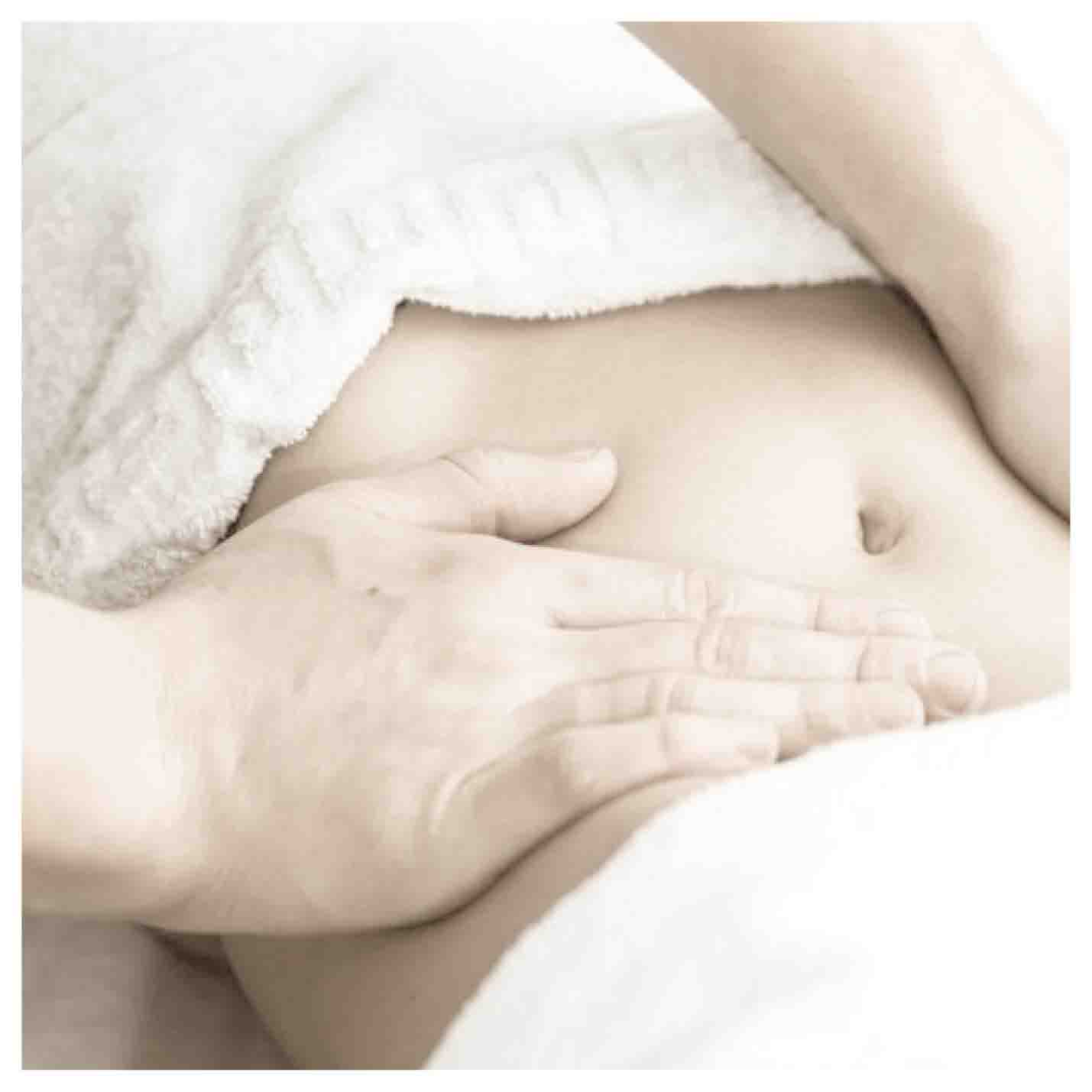
What It Does
A Coordinated
Surgical Protocol
Seroma management is medical, not aesthetic. We work as an extension of your surgeon's plan, never independently.
- 01Pre-Aspiration DrainageA targeted session 24 – 48 hours before aspiration can reduce the volume your surgeon needs to remove and improve subsequent absorption.
- 02Post-Aspiration CareDrainage 24 hours after aspiration limits re-accumulation by clearing the surrounding lymph load.
- 03Reduces Recurrence RiskFor clients with multiple aspirations, consistent drainage between visits is the single best predictor of resolving the seroma without further intervention.
- 04Eases Pressure & DiscomfortSeromas are uncomfortable. Drainage of the surrounding tissue reduces the pulling and pressure even before the fluid is removed.
- 05Coordinated With Your SurgeonWe require a surgeon referral and direct communication — not optional. We will never drain a suspected seroma without medical clearance.
The Visit
What To Expect
Each Session
Come Prepared
- Surgeon referral required — we cannot accept self-referrals
- Bring imaging if your surgeon ordered an ultrasound
- Hydrate well the day before
- Wear loose clothing — no compression on the seroma site
- Do not aspirate or attempt drainage at home
After Your Session
- Re-apply compression as your surgeon directs
- Schedule follow-up imaging if recommended
- Watch for signs of recurrence — swelling, fluid wave
- Avoid heavy lifting for 48 hours
- Communicate any changes directly to your surgeon
Common Questions
Seroma Support, Answered
No — only your surgeon performs the aspiration itself. We provide drainage support before and after. This is a medical procedure and out of our scope.
Untrained drainage of a seroma site can worsen the accumulation. We require surgeon coordination so the protocol matches your specific case.
Varies widely. Some clients need two sessions around a single aspiration; others need ongoing support across multiple aspirations. Your surgeon directs cadence.
It reduces recurrence risk substantially but is not a guarantee. Compression discipline and surgeon-directed activity restrictions matter equally.