
Incisional
Drainage
Targeted lymphatic drainage and gentle scar mobilization at the site of your incisions. Begun once incisions have closed, this protocol limits adhesion formation and softens the surrounding tissue while drainage continues globally.
Duration
60 minPrice
From $240Recommended
6 – 8 SessionsEarliest
From Week 2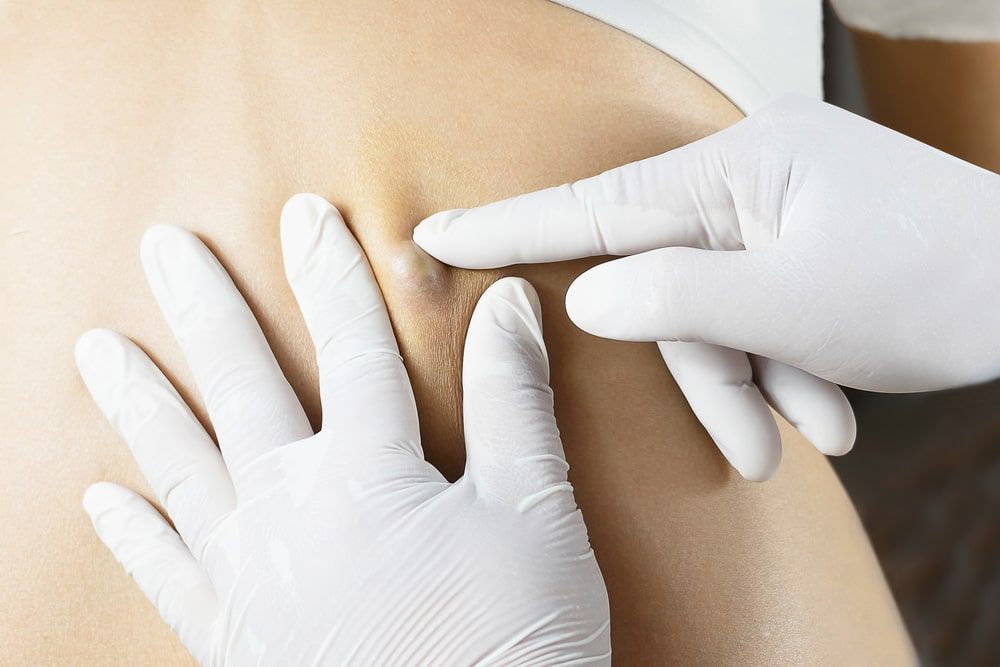
What It Does
Why Incision Work
Belongs In Recovery
Most clients are told to leave their incisions alone. That is correct in the first two weeks. After that, doing nothing is the choice with the highest fibrosis risk.
- 01Limits Adhesion FormationMobilizing scar tissue across multiple planes prevents the deeper layers from binding to one another. The earlier we start, the better the long-term result.
- 02Softens Raised Or Hardened ScarsConsistent work between weeks 2 and 12 produces softer, flatter, less reactive scar lines than scars left to settle on their own.
- 03Restores Sensation FasterNumbness around incisions is normal. Drainage and gentle mobilization speed the return of sensation by encouraging nerve fiber regeneration.
- 04Reduces Tightness & PullingThe sensation of being "stitched closed" lifts as the surrounding tissue is freed.
- 05Coordinated With Your SurgeonWe will not begin until your surgeon clears the incision. Op-note review is part of intake.
The Visit
What To Expect
Each Session
Come Prepared
- Wait for surgeon clearance before booking
- Bring your surgeon's incision-care instructions
- Hydrate well in the 24 hours before
- Wear loose clothing that doesn't press on incisions
- Arrive 5 minutes early — we will inspect the site first
After Your Session
- Keep incisions clean and dry per surgeon protocol
- Resume compression within 30 minutes
- Apply prescribed scar cream at bedtime, not before
- Light walking only for 24 hours
- Photograph progress weekly to track change
Recovery Timeline
When To Begin
Every body is different — these timelines are starting points only.
i.
Weeks 0 – 2
Hands off the incision. Drainage continues globally, around the surgical site, but never on it.
Indirect Only
ii.
Weeks 2 – 6
Direct work begins once cleared. Light cross-fiber mobilization at first, building in depth weekly.
2× Weekly
iii.
Weeks 7 – 12
Deeper scar mobilization integrated with continued drainage. Most visible softening happens in this window.
Weekly
iv.
Months 4+
Maintenance and refinement as needed. Some clients return at the six-month mark for a final smoothing pass.
As Needed
Common Questions
Incisional Drainage, Answered
After your incisions are fully closed and your surgeon has cleared direct touch — typically week 2, sometimes week 3. We will not begin sooner.
It is more sensation than pain. The pressure is light, and we work in tolerable doses. If something is too much, we stop.
Drainage moves fluid. Incisional work mobilizes tissue. Most clients book both — one followed by the other in a 90-minute combined session.
Yes — and you should. We will teach you a 5-minute self-mobilization routine to do daily between visits.